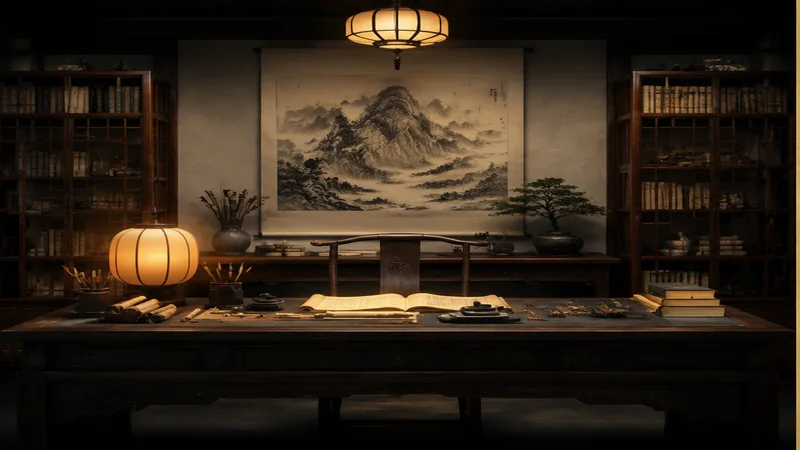
Study Room Layout and Feng Shui: Complete Arrangement Guide
Creating a study room that supports deep concentration and clear thinking is about more than just choosing a nice desk and a comfortable chair. In Feng Shui, the study room is a space where energy, or chi, directly influences your mental clarity, motivation, and ability to absorb new information. A poorly arranged study room can leave you feeling scattered, restless, or unmotivated, while a well-planned layout can transform your work sessions into truly productive periods. This guide walks you through every essential aspect of study room feng shui, from the critical command position to the subtle effects of window placement and door direction, so you can craft an environment that genuinely supports your goals.
The Foundation: Understanding the Command Position
The single most important principle in any study room feng shui is the command position. This refers to the spot where you place your desk, specifically the relationship between your seat, the door, and your field of view. Being in the command position means you can see the door to your study room without having to turn your head or strain your neck, but you are not directly in line with it. This placement gives you a sense of safety and control, which is essential for maintaining steady concentration.
Why the Command Position Matters for Concentration
From a practical standpoint, you want to know who is entering your space. From a feng shui perspective, the door represents the flow of opportunities and external energy. When you sit with your back toward the door, you are metaphorically and literally exposed to surprises and interruptions, making it harder to settle into deep work. When you face the door directly, you invite confrontational or excessive yang energy, which can feel aggressive over time. The ideal command position places your desk diagonally from the door, with a solid wall behind your chair. This setup allows you to see the whole room, including the entrance, while enjoying the protective support of a stable backing.
In Feng Shui, the desk position follows the same logic as the command position used in classical Chinese palace design: solid backing, open front view, and control of the entry point. The wall behind you provides support; the space ahead provides clarity.
If your room's layout makes a true diagonal impossible, try angling your desk slightly or using a mirror to reflect the door into your line of sight. However, be cautious with mirrors—placing one directly across from your desk can proliferate distractions. A small mirror to the side is often a safer solution.
Desk Position: The Heart of Your Study Room
Your desk position is the anchor of the entire study room layout. Before you worry about decorations or color schemes, ensure your desk sits in a place that promotes focus. Avoid pushing the desk flush against a wall if you can help it; while this is a common space-saving tactic, it blocks the energy flow in front of you. Instead, give yourself at least a few feet of open space between the desk and the opposite wall. This open area represents the room you need to grow, think, and move forward in your studies or career.
Desk Placement Mistakes to Avoid
- Do not place your desk directly under a beam. Exposed ceiling beams create downward pressure, which can lead to headaches and a feeling of heaviness while working.
- Avoid facing a blank wall too closely. If you must sit near a wall, leave at least three feet of distance and place a meaningful image or vision board at eye level to stimulate the mind.
- Never position your desk in front of a window with your back to the room. This sacrifices both the command position and the valuable support of a wall behind you.
- Do not place your desk in the direct line between the door and a window. This creates a "shooting arrow" of energy that rushes through your workspace, disturbing concentration.
Another key aspect of desk position is the orientation relative to your personal energy. Some feng shui practitioners suggest facing your most favorable direction (based on your Kua number), but if that is not practical, simply follow the command position and ensure you feel comfortable and empowered when you sit down. Test several angles and notice which one makes you feel most alert and relaxed after a few minutes of work.
Window Placement: Balancing Light and Distraction
Window placement in a study room requires a careful balance. Natural light is wonderfully invigorating for the mind, but too much direct glare or an overly stimulating view can sabotage your focus. Ideally, the window should be to the side of your desk rather than directly in front or directly behind you. A window behind your chair drains your energy because it signifies a lack of support—think of it as sitting on a cliff edge. A window directly ahead can be visually distracting, especially if you are on a busy street or have a lot of movement outside your home.
If your window is in a less-than-ideal position, use remedies. For a window behind you, hang a curtain or sheer fabric to soften the energy and create a sense of solid backing. For a window in front, use blinds that can be adjusted so you control how much of the outside world enters your awareness. During deep work periods, close them partially to keep your eyes on your task. During brainstorming or creative sessions, open them fully to invite fresh chi and expansive thinking.
Using Window Light to Enhance Concentration
The quality of light through your window directly affects your alertness. Morning light is yang—bright, energizing, and great for analytical work or studying complex material. Afternoon light is slightly more yin—calmer but still useful for reading and writing. To make the most of this, position your desk so that you receive soft, diffused light from the side. This minimizes eye strain and prevents harsh shadows on your papers or computer screen. Avoid placing your desk perpendicular to a window in a way that makes you face the sun during peak hours, as constant squinting will tire you out and break your concentration.
Door Direction: Controlling the Energy of Entry
The door direction of your study room is not just about which way the door swings; it is about the energy that enters when you open it. In feng shui, every direction carries a different elemental influence. For example, an east-facing door brings the energy of growth and new beginnings, which is excellent for students. A north-facing door bringscareer and success energy, beneficial for professionals. A west-facing door is good for creative work, while a south-facing door can be too fiery and may cause agitation during long study sessions.
Since you may not have the ability to change the physical orientation of your door, you can apply remedies to the door itself. Paint the door a color that supports the element associated with your goals. For increasing concentration, warm earth tones like beige or soft yellow can be grounding. For intellectual clarity, pale blue or green can work well. Additionally, keep the area just inside the door clear. Shoes, bags, or clutter piled at the entrance create stagnant chi that blocks the flow of fresh energy into your study room.
The Position of the Door Within the Room
Beyond direction, consider where the door sits relative to your desk. The ideal is to have the door visible from your command position but not the only thing you look at. If the door is in your direct line of sight from the desk, you may feel overly alert, checking every sound and movement. If the door is behind you, you become vulnerable to surprises. If the door is to the side, within a roughly 135-degree angle of your forward vision, that is generally perfect. Also, make sure the door can open fully without bumping into furniture or walls. A door that cannot open fully represents limited opportunities and can literally obstruct the feng shui flow of your study room.
Chair Support: Your Personal Backbone
In the study room, chair support is both literal and symbolic. A chair with a high, sturdy back provides physical support for your spine, which is crucial for long hours of sitting. But in feng shui, that chair back also represents the "Mountain" that backs you—your ancestors, your education, your resources. You want a chair that makes you feel secure, grounded, and protected. Avoid chairs with flimsy backs, stools without backs, or seats that are too low to the ground. A supportive chair is not a luxury; it is a necessary foundation for maintaining concentration over prolonged periods.
Practical Tips for Chair and Desk Alignment
- Your feet should rest flat on the floor, with your knees at a 90-degree angle. If your feet dangle, use a footstool. This grounds your energy.
- Your forearms should rest comfortably on the desk without hunching your shoulders. Adjust the chair height accordingly.
- Choose a chair with armrests if possible. They offer additional support and prevent energy from leaking out of your sides.
- If your chair is on wheels, ensure it moves smoothly but can also be locked. A wobbly chair destabilizes your concentration.
- Add a cushion or a small pillow behind your lower back. This not only improves posture but also reinforces the feeling of being backed up by strong, stable energy.
Do not underestimate the psychological impact of a good chair. When you feel physically supported, your mind follows. Take the time to adjust your chair each time you sit down, and consider adding a soft throw or a natural fiber cushion to create a warm, inviting seat that pulls you into focused work.
The Complete Study Room Layout: Putting It All Together
Now that we have covered the essential components individually, let us synthesize them into a harmonious study room layout. Start by standing at the entryway of your empty room. Mentally divide the space into nine zones (the bagua map). The desk should go in the "Knowledge" or "Career" area, which are typically the front-left or front-center of the room from the door, depending on your specific bagua orientation. However, do not get bogged down in complex systems—simply use the command position as your primary guide.
Next, place your desk in the command position. Ensure there is a solid wall behind your chair, the door is visible from your sitting position, and you are not directly aligned with either the door or the window. Then, position your chair with full support. Add your main study light—a desktop lamp with soft, warm light is preferable to harsh overhead fluorescent lighting. Place bookshelves to your side or behind you but not directly on your back wall, as that can feel claustrophobic. Keep a small plant on your desk, such as a jade or bamboo plant, to bring in living wood energy that promotes growth and flexibility in your thinking.
Final Checks for a Harmonious Study Room
- Confirm that your desk position allows you to see the door clearly from your chair. This is the non-negotiable core of the command position.
- Ensure no sharp corners from shelves or cabinets are pointing directly at your back or head. These create "poison arrows" of feng shui.
- Keep the floor space under your desk completely clear. Storing boxes or files under your desk weighs down your personal energy field.
- Choose calming, focus-enhancing colors for the walls—soft blue, light green, or warm cream are ideal. Avoid bright red or bold orange in large amounts.
- Limit electronic distractions. Position your computer screen so that it does not face the door, as the reflection could mimic surveillance and make you uneasy.
"Stillness is the foundation of concentration. A well-arranged study room is still in its energy flow, yet alive in its detail."
Remember that feng shui is not a set of rigid rules but a way to harmonize your environment with your intentions. The ultimate test of any study room layout is whether it helps you feel focused, calm, and eager to sit down and work. Trust your body's responses and make adjustments until the room supports you completely. When your desk position, window placement, door direction, chair support, and overall layout are aligned, your study room becomes a true sanctuary for the mind—a place where deep concentration becomes your natural state, and every hour you spend there moves you meaningfully toward your goals.
Finally, revisit your study room feng shui every few months, especially after major life changes or shifts in your study goals. Rooms accumulate hidden clutter and energetic stagnation just as easily as homes do. Clear your surfaces, wipe your desk, and let in some fresh air regularly. By maintaining a clean, supportive, and intentional layout, you ensure that your study room remains a powerful ally in your lifelong journey of learning and achievement.