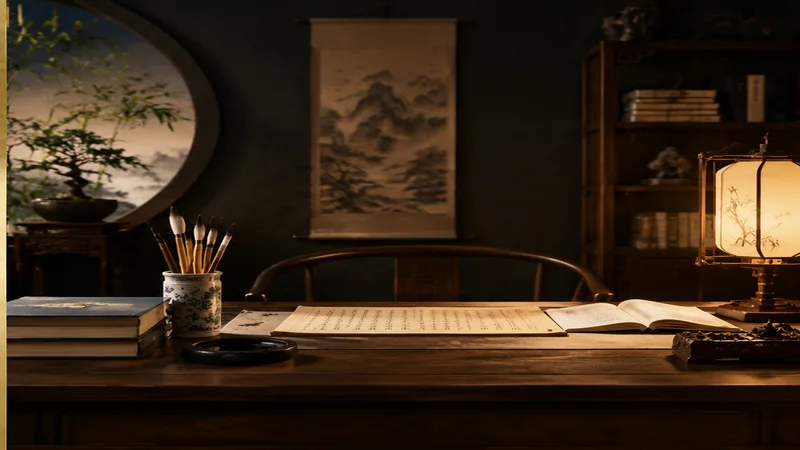
Quick answer: 5 exam Feng Shui adjustments
- Put the desk in a command position: see the door, with a solid wall behind you.
- Keep the desktop clear except for current materials, a lamp, and one meaningful study symbol.
- Use comfortable lighting and fresh air; practical comfort comes before symbolism.
- Use calm colors such as green, blue, or pale yellow if they help you focus.
- Before the exam, prioritize sleep, revision, hydration, and a familiar routine.
These are traditional and environmental suggestions, not a substitute for evidence-based study or medical advice.
The Time-Honored Path: Feng Shui for Traditional Chinese Exam Preparation
In the weeks and months leading up to a pivotal examination—be it the rigorous gaokao, a civil service test, or a university final—students and families across the Chinese-speaking world turn to a profound legacy of traditional preparation. This is not merely about memorizing textbooks or drilling past papers. It is about harmonizing the invisible energies of one's environment to support clarity, memory, and calm confidence. Exam feng shui is a practical, deeply cultural system that treats the study space as a living partner in academic success. By adjusting your surroundings in accordance with ancient principles, you create a sanctuary that actively nourishes concentration and shields you from distraction. Let us explore how to transform your study room before exam season, using methods that have guided scholars for centuries.
Understanding Wenchang: The Celestial Guardian of Scholars
At the heart of traditional academic feng shui lies the concept of Wenchang, the Chinese deity of literature and scholarly pursuits. In classical cosmology, Wenchang represents a favorable star position that, when activated, brings exceptional mental acuity, eloquence, and luck in examinations. Unlike generic good fortune, Wenchang energy is specifically attuned to learning, writing, and intellectual achievement. For generations, families would consult almanacs to locate the Wenchang direction—often tied to the student's birth year or the current year's flying star chart—and then position the study desk to face it. While a precise calculation requires a practitioner, a simplified and still effective method is to use the Wenchang compass direction of the current year, which frequently points to the Northeast or Southeast depending on the cycle. If you cannot determine your personal Wenchang, facing your study desk toward the East—the direction of sunrise and new beginnings—often serves as a reliable substitute.
“The scholar who sits in the embrace of Wenchang energy does not need to chase knowledge; knowledge naturally flows to meet them.” — Old Chinese academic proverb
To strengthen this connection, many families place a small statue of Wenchang, a scholar’s brush, or a crystal on the desk’s left corner (the dragon side). The act is not superstition but a focused reminder of one's scholarly vows. Each time the student sees this object, a subtle psychological anchor is formed, reinforcing dedication and purpose. In the context of traditional preparation, this ritual acknowledgment of Wenchang is as vital as reviewing notes, because it aligns intention with environment.
Essential Study Room Arrangement Before Exam Season
The study room before exam is a battlefield of energies. A chaotic, poorly arranged room can scatter thoughts, induce fatigue, and heighten anxiety. Conversely, a deliberately ordered space becomes a fortress of focus. Here are the cardinal rules of exam feng shui for your study area:
- Commanding Position: Place your desk diagonally opposite the door, not directly in line with it. This allows you to see anyone entering without being vulnerable to the rushing energy of the doorway. You want a solid wall behind you, symbolizing support from family and ancestors. Avoid sitting with your back to a window or an open space—this drains your energy. If a wall is impossible, hang a picture of a mountain or a bookshelf behind you to create psychological solidity.
- Declutter Ruthlessly: Remove everything from the desk except your current study materials, a lamp, and your Wenchang symbol. Old papers, broken pens, and unrelated gadgets create stagnant qi that muddies your thinking. Use a tray for incoming assignments and a separate drawer for completed work. Each evening, spend five minutes resetting the desk to a clean slate. This simple ritual tells your mind: “The space is ready, and so am I.”
- Lighting and Air: Harsh overhead fluorescent lights are infamous for causing eye strain and mental fog. Instead, use a warm, adjustable desk lamp positioned to your left (if right-handed) to avoid casting shadows on your writing hand. Open a window for at least fifteen minutes daily to invite fresh, moving energy. If outdoor noise is an issue, use an air purifier or keep a small plant—like a money plant or bamboo—to cleanse the air naturally. Living green growth signifies vitality and growth, exactly what you need for exam success.
- Remove Negative Symbols: Clocks that tick loudly, broken appliances, or images of failure (like old low test scores) should be removed from sight. Replace them with inspirational calligraphy, a map of your dream university, or a quote from a beloved scholar. In feng shui, what you repeatedly see becomes the blueprint of your subconscious. Feed it only with success.
The Five Elements in Your Study Room
Classical feng shui relies on balancing the five elements—wood, fire, earth, metal, and water. For exam preparation, you want to emphasize wood (growth, flexibility) and fire (passion, illumination), while moderating water (which can cause emotional instability) and metal (which can be overly sharp and critical). Introduce wood through plants, wooden furniture, or green colors. Add fire through your desk lamp’s warm glow or a red bookmark. Earth provides stability—use a small ceramic cup for your brushes or a beige desk mat. Avoid placing a water fountain or aquarium in the study room, as its fluid energy can wash away memorized facts. If you must have a water element, use a tiny desktop humidifier on the opposite side of your Wenchang corner.
Feng Shui Rituals for Traditional Preparation
Beyond arrangement, feng shui includes purposeful ritual actions that mark transitions and build positive momentum. The Chinese have always understood that rituals are not mere habit—they are technology for the mind. Here are three powerful rituals to incorporate into your exam feng shui practice:
- The Cleaning Blessing: One week before the exam, perform a deep cleanse of your study space. Wipe down the desk with a cloth dampened in water with a few drops of lemon essential oil or white vinegar. As you clean, visualize wiping away confusion, doubt, and past mistakes. Then, place a fresh white cloth or a new desk lamp bulb. This physical and symbolic cleansing prepares the room to host your most focused self.
- The Incense Purification: Light a stick of sandalwood or sage and walk around the study room clockwise, letting the smoke drift into corners, under the desk, and near the entrance. This is a classic way to dispel stagnant energy accumulated over long hours of stress. Follow this with a short meditation at your desk—three deep breaths—and state your intention clearly: “This room supports my deep focus and excellent recall.”
- Wenchang Offering: On the morning of the exam, traditional families place a bowl of clear water, an apple, and a piece of chrysanthemum tea on the Wenchang corner. These offerings symbolize purity, peace, and clarity. After the exam, share the fruit and tea as a gratitude meal. This ritual instills a sense of cosmic support that can dramatically reduce pre-exam panic.
Diet as Feng Shui: Nourishing the Scholar’s Body and Mind
In traditional Chinese medicine, which is inseparable from feng shui, diet is the internal feng shui of the body. You cannot expect the external environment to boost your brain if you are fueling it with greasy, cold, or overly sweet foods. Exam feng shui extends directly to what you eat in the final weeks before the test. The goal is to strengthen your spleen and kidney qi—the organ systems that traditional thought links to memory, willpower, and concentration. A poor diet creates internal “dampness,” which manifests as brain fog and sluggishness.
First, emphasize warm, cooked meals over raw, cold salads. Cold foods can weaken your digestive fire, leading to fatigue. Traditional choices include congee with walnuts and red dates, which are believed to nourish the brain and blood. Eggs, fish, and tofu provide quality protein. Include sweet potatoes, carrots, and pumpkin for grounding earth energy. Second, drink warm water or light jasmine tea instead of cold beverages. Dehydration is a major focus killer, but cold drinks constrict the stomach; warm liquids promote smooth qi circulation. Third, eat small portions every three hours to maintain steady blood sugar, but avoid heavy meals right before studying—they divert energy to digestion and away from cognition. A handful of almonds or a banana is an excellent feng shui snack; both are associated with calm, sustained energy.
When the stomach is harmonious, the mind is luminous. When the stomach is disturbed, even the Wenchang star cannot help you.
Try a simple tonic: simmer a handful of dried longan berries, a few slices of goji berry, and two red dates in water for ten minutes. This sweet, gentle tea is a traditional “scholar’s brew” used in the stressful month before the gaokao. It nourishes the blood and calms the spirit without the jitteriness of caffeine. Drink it in the afternoon rather than at night, to allow its energy to settle properly.
Practical Feng Shui Tips for the Night Before and Exam Day
The traditional preparation reaches its peak on the evening before the examination. Your study room should now be in perfect order. Do not introduce anything new the night before—your space must feel deeply familiar. Instead, perform a final review by walking around the room and touching your desk, your lamp, and your Wenchang item, silently thanking them for their support. This moves your energy from active effort to receptive confidence.
On the day itself, wear clothes in auspicious colors—red for vitality, green for growth, or white for clarity—depending on which element you feel you lack. Avoid black or gray, which can dampen your spirit. Bring a small pouch of a calming herb, like mugwort or mint, to the exam hall if permitted (or simply place it under your pillow the night before). Keep a glass of warm water at your exam desk, and sip it slowly during the test to maintain internal qi flow. And remember the ultimate feng shui secret: your breath. Three slow, deep breaths before the exam shifts your internal energy from panic to presence.
Harmony Beyond the Exam
Feng shui for exams is not a magical shortcut; it is a systematic way to consciously design an environment of success. By honoring the Wenchang tradition, arranging your study room deliberately, engaging in purposeful rituals, and nourishing yourself with appropriate diet, you align every aspect of your life with your academic goal. The gaokao or any crucial exam becomes more than a test—it becomes a moment of harmony between heaven, earth, and the diligent scholar. Use these methods with sincere intention, and you will not merely enter the examination hall; you will enter it as the best version of yourself, backed by centuries of traditional Chinese wisdom.