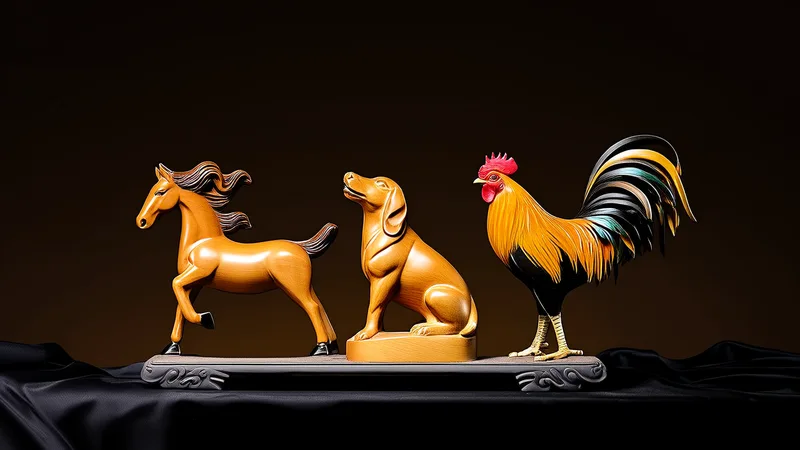
The Horse in Feng Shui: Power, Freedom & Momentum
Among the most dynamic Chinese zodiac feng shui objects, the horse represents speed, perseverance, and upward momentum. In classical Feng Shui, a horse figurine is not merely a decoration; it is a potent activator of personal drive, career advancement, and public recognition. The horse’s energy is yang — bright, active, and forward-moving. When placed correctly, it can help you overcome inertia, seize opportunities, and gallop toward your goals with unstoppable confidence.
Symbolism of the Horse
In Chinese culture, the horse is one of the twelve zodiac animals and symbolizes vitality, nobility, and triumph. It is also associated with the element of Fire, which fuels passion and creative expression. A horse figurine often comes with specific symbols: a horse carrying a treasure or a bundle of gold invites wealth, while a rearing horse signifies a rise in status. The horse’s posture matters deeply — a calm, grazing horse brings peaceful progress, whereas an energetic, galloping horse ignites vigorous change. Understanding this symbolism helps you choose the right representation for your intention.
Placement Guidelines for Horse Figurines
Placement is everything with horse imagery. Because horses symbolize rapid advancement, you should never place a horse figurine in a stagnant area such as a storage closet or under a staircase. Instead, focus on active and visible spaces. The living room, home office, or study are ideal. A horse facing outward from a main door invites new clients and opportunities, while a horse facing your desk reinforces professional focus. Avoid placing a horse in the bedroom — the fiery, restless energy of the horse can disturb sleep and create unnecessary anxiety.
- Career sector (North): Place a horse figurine here to accelerate job promotions and professional projects. Choose a horse with an upward stride, such as a rearing horse.
- Fame sector (South): The horse’s Fire element harmonizes with the South. A red or chestnut horse enhances reputation and social recognition.
- Entrance area: A horse facing the front door symbolizes a warm welcome to beneficial allies and a winnowing away of negativity. Just ensure it does not face a mirror, which reflects energy back and negates the horse’s forward motion.
Galloping Horse Placement: The Art of Direction
The galloping horse placement is a specialized technique in Feng Shui. A galloping horse carries the most intense movement energy, so its direction must be deliberate. Traditional texts advise placing a galloping horse so that it runs into the home or office, symbolically bringing success inside. If it runs away from an entrance, it may carry your luck out of the door. Similarly, on your desk, a galloping horse should face toward the space in front of you, not toward a wall or window. Some practitioners recommend placing three galloping horses together for a “Three Horse Carriage” effect, which accelerates wealth and fast results in business negotiations.
“The horse is the messenger of victory. When you harness its gallop with correct placement, no obstacle can stand in your way.” — Traditional Feng Shui teaching
The Dog in Feng Shui: Loyalty, Protection & Trust
Although often overlooked in western decoration, the dog holds deep dog symbolism in Chinese astrology. Dogs are the eleventh zodiac animal and represent faithfulness, courage, and intuitive protection. In Feng Shui, a dog figurine acts as a guardian that shields the household from burglars, harmful gossip, and negative external influences. Unlike the fierce guardian lions, the dog’s energy is more comforting — it watches over your family like a loyal companion, ensuring safety and emotional security.
Dog Symbolism and Its Blessings
In Chinese tradition, dogs are believed to bring good luck, especially for people born in the Year of the Dog. But for everyone, placing a dog figurine can strengthen bonds between family members and build trust in partnerships. The dog is also associated with the Earth element, which grounds chaotic energy. A dog with its ears perked up suggests acute alertness, while a dog lying down radiates peace and stability. Choose a dog that feels calm yet watchful — avoid aggressive postures that may introduce conflict.
Best Placement for Dog Decor
Dog symbolism works best in areas where security is a concern. The entrance is a classic spot — a dog facing the front door acts as a sentry. In a home, place a dog figurine in the family area (the eastern sector of the house) to promote harmony and mutual support. In an office, a dog on your desk (preferably facing colleagues or clients) encourages honest communication and loyalty. As with all animal figurines, never place a dog in the bathroom or toilet area, as this drains its protective energy.
- Front door: Place a dog figurine on a high shelf or side table, facing outward. This is a traditional protective placement.
- Living room: A dog in the eastern corner (family and health sector) reinforces physical well-being and emotional bonds.
- Personal sanctuary: A small dog figurine near your bed but not directly beside it — promotes restful sleep and wards off nightmares.
The Rooster in Feng Shui: Courage, Awakening & Protection
The rooster is one of the most potent symbols of rooster protection in all of Feng Shui. With its crowing call at dawn, the rooster dispels darkness and announces the arrival of light. In Chinese culture, the rooster is associated with courage, confidence, and the ability to see through illusions. It is also an antidote to gossip and slander. Placing a rooster figurine in a strategic location can neutralize the harmful effects of malicious talk, legal disputes, or workplace envy. The rooster’s sharp beak and keen eyes are believed to pierce through negative chi, making it an essential object for those who face public scrutiny or competitive environments.
Rooster Protection: How It Works
According to classical Feng Shui, the rooster counters the “gossip star” — the unfavorable energy that bring rumors and backbiting. To activate this protective function, place a rooster in the northwest or west area of your home or office. The rooster’s metal element (it is a metal zodiac animal) can slice through tricky relationships and verbal attacks. A rooster with its comb raised high is especially powerful; the comb resembles the character for “official” and helps protect your reputation.
Where to Place Rooster Figures
For rooster protection, visibility is key. Place the rooster where you can see it regularly — on a shelf in your office, near your workspace, or in the living room’s western corner. Avoid putting a rooster in a bedroom facing the bed; its severe energy can cause arguments. Instead, let it face a doorway, window, or an area where conflict might arise. Many practitioners also recommend a rooster figurine near a telephone or meeting table to deflect negative words. As with other Chinese zodiac feng shui objects, the rooster should be kept clean and unobstructed to maintain its protective clarity.
- Office desk: A small rooster to your right side (if you are right-handed) stabilizes your authority and shields against office politics.
- Northwest corner (mentors and travel): This sector benefits from rooster metal energy, attracting helpful superiors and safe journeys.
- Kitchen or dining area: A rooster in the kitchen is a classic — it represents nourishment and vigilance over family resources.
Combining Horse, Dog & Rooster in Your Decoration
These three zodiac symbols can be skillfully blended into your decoration to create a balanced environment. The horse brings movement, the dog brings loyalty, and the rooster brings protection. Together, they cover the essential needs of career, family, and safety. Ensure that each animal faces a favorable direction and does not confront another. In a display cabinet, you might place the horse in the back (moving upward), the dog in the middle (guarding the space), and the rooster on the side (cutting negative energy). This arrangement tells a story of forward progress supported by trust and vigilance.
When choosing materials and colors, use the five elements to enhance the effect. Fire-element horses pair well with red or purple glazed ceramics. Earth-element dogs are strongest in crystal, sandstone, or ceramic. Metal-element roosters shine in brass, bronze, or gold. Avoid mixing them with unlucky symbols like a broken hourglass or a tiger figurine, which can clash with the gentle yet assertive energies of these three animals.
“A home that holds the horse, the dog, and the rooster in correct alignment is a home that moves forward fearlessly, rests in loyalty, and stands unwounded against the noise of the world.” — Feng Shui Master Lillian Too
Final Considerations for Your Home and Office
Before purchasing any horse figurine, dog symbolism piece, or rooster protection object, ask yourself: what energy do I currently lack? If you feel stuck, let the horse gallop. If you feel isolated, invite the dog. If you feel attacked, call upon the rooster. The beauty of Chinese zodiac feng shui objects is their adaptability — they are not fixed charms but living symbols you activate through intention and correct placement.
Regularly dust and strengthen your figurines. Treat them as honored guardians of your space. The best decoration is one that serves both aesthetics and purpose. When you see a horse leaping over your shelf, a dog resting by your entrance, or a rooster crowing on your desk, let them remind you of the qualities you are cultivating: speed, fidelity, and fearless clarity. With this mindful approach, these three animals will transform your living environment from ordinary to energetically extraordinary.