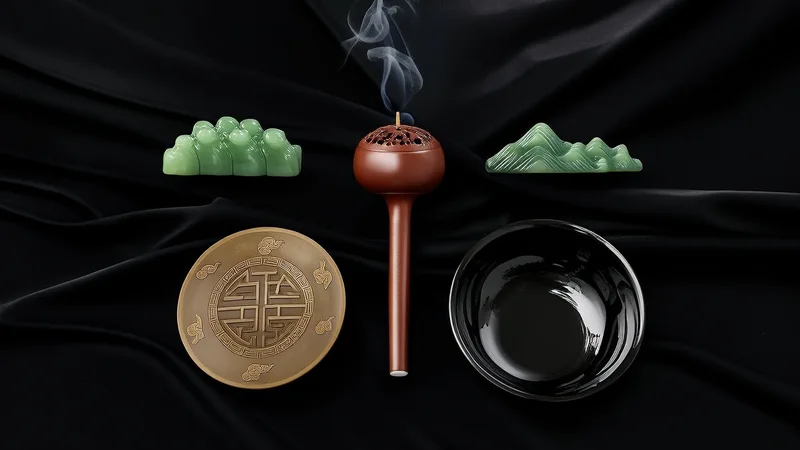
Introduction to Five Element Colors and Objects
In Feng Shui, the Five Elements—Wood, Fire, Earth, Metal, and Water—form the foundation of harmony and balance in your living environment. Each element carries specific energies that can be activated through colors, shapes, and materials. By referencing the wood element colors green or the fire red orange palette, you can intentionally shift the flow of chi in your home. This complete reference guide will help you choose the right hues and objects for every area of your life, from career to prosperity to relationships.
Wood Element: Colors, Shapes, and Materials
The wood element colors green and deep teal represent growth, renewal, and vitality. Wood energy is upward and outward, like a sprouting bamboo. To bring this supportive, active chi into a room, use greens in textiles, plants, or wall art. Wood also relates to the east and southeast sectors, which govern family and wealth.
Shapes reminiscent of columns, rectangles, or tall narrow forms resonate with Wood. Materials such as real timber, rattan, cork, or even bamboo blinds carry this element naturally. Objects like wooden bowls, houseplants, and floral prints all serve as powerful Wood enhancers.
- Colors: Forest green, sage, moss, spring leaf, and pale mint
- Shapes: Tall rectangles, vertical stripes, and other column-like forms
- Materials: Untreated wood, wicker, bamboo, paper, and cotton
- Objects: Potted plants, fresh flowers, wooden sculptures, and green vases
Tip: If your wealth corner (southeast) feels stagnant, add a lush green plant with round leaves—but avoid cacti, as their spiky form creates disruptive energy.
Fire Element: Colors, Shapes, and Materials
The fire red orange palette, along with vibrant pink and purple, ignites passion, recognition, and transformation. Fire energy is exciting and dynamic, ranking among the strongest elemental forces. Use it thoughtfully in living rooms, dining areas, or the south sector to boost fame and visibility.
Shapes associated with Fire include triangles, pyramids, and zigzags. Materials like leather, wool, and other animal-based textures represent Fire’s warmth. Objects such as candles, lamps, fireplaces, and even high-definition pictures of sunsets or flames can enliven a space. You can also use red or orange throw pillows, or a triangular metal frame to subtly invoke the energy without overwhelming the room.
- Colors: Crimson, scarlet, vermilion, peach, tangerine, and magenta
- Shapes: Triangles, points, sharp angles, and radiating lines
- Materials: Leather, suede, wool, and synthetic glossy finishes
- Objects: Candles, torches, light fixtures, and decorative sunbursts
Caution: Too much Fire can cause agitation and sleeplessness. In bedrooms, use only tiny accents of red or orange—consider a single red throw or a soft peach lampshade.
Earth Element: Colors, Shapes, and Materials
The earth yellow tones, ranging from ochre to sand, evoke stability, nourishment, and grounding. Earth energy is centering and protective, making it ideal for kitchens, studies, and diagonally located central areas. It also stabilizes relationships and strengthens health when placed in the center of your home or a room.
Shapes for Earth are low, wide, and square—like a flat tray or a vast plowed field. Materials include clay, stone, ceramic, and terra-cotta. Objects like earthenware vases, brick features, adobe textures, and square stones fill a space with grounding presence. Place square-shaped yellow cushions or a heavy ceramic bowl to anchor the energy of a busy room.
- Colors: Yellow, beige, terracotta, sandy brown, and muted ochre
- Shapes: Squares, rectangles (when low and horizontal), and flat lines
- Materials: Ceramic, porcelain, stone, brick, and any clay-based compound
- Objects: Crystal vases, ceramic tiles, stone statues, and square coasters
Remember that Earth absorbs water, while Water itself is what controls fire. If you want a calming influence in a south-facing room (Fire), introduce yellow or earthenware items to create balance.
Metal Element: Colors, Shapes, and Materials
Metal’s core hues are metal white silver, plus gold, platinum, and other metallic tones. Metal energy is sharp, precise, and highly communicative. It governs the west and northwest sectors, influencing children, creativity, and helpful people. White and silver bring a sense of purity and efficiency to offices, entrances, or any place where clarity matters.
Shapes for Metal are round, oval, and arched. Materials include actual metals—steel, copper, brass, aluminum—as well as metallic-coated surfaces. Objects like brass bowls, silver frames, iron candles, or a round clock are excellent Metal symbols. Even a simple white ceramic sphere with a metallic sheen can reinforce this energy.
- Colors: White, silver, platinum, silver-blue, and champagne gold
- Shapes: Circles, half-circles, oval arches, and spherical forms
- Materials: Steel, iron, copper, bronze, aluminum, and metal alloys
- Objects: Coins, bells, wind chimes, picture frames, and cylindrical vases
Metal is excellent for slicing through indecision. Place a round steel pen holder or a silver-framed mirror in your workspace to sharpen focus.
Water Element: Colors, Shapes, and Materials
The water black blue combination represents deep flow, wisdom, and abundance. Dark navy, indigo, and rich black mirror the ocean’s mystery, while lighter blues invite serenity. Water energy is essential for career and life path, located in the north sector. It also promotes smooth communication when placed near a home office or study.
Shapes for Water are irregular, free-flowing, and wavy. Materials like glass, mirror, and transparent plastics carry Water’s reflective nature. Objects including aquariums, tabletop fountains, curved-glass vases, and dark blue artwork all activate this element. Even a black circular rug with wavy edges can subtly represent Water without excessive moisture.
- Colors: Black, dark blue, midnight navy, cobalt, and sky blue (in smaller amounts)
- Shapes: Waves, spirals, freeform curves, and flowing lines
- Materials: Glass, crystal, mirrors, aquamarine, and transparent plastics
- Objects: Fish tanks, water fountains, glass sculptures, and sea glass
Water energy can be powerful—too much may cause emotional overwhelm. In a bedroom, limit blue to a single accent wall or small decorative piece, saving full water expression for your career or entry areas.
Shapes and Materials Reference: Combining Elements for Harmony
Now that you understand each element’s colors, shapes, and materials, you can create effective combinations. For example, if you want to enhance creativity (Metal), you can combine a round white bowl (shape and color) with an actual steel object. Pairing wood element colors green with rectangular shapes and real plants instantly brings upward energy.
When creating a room design, remember the five-element generating cycle: Wood feeds Fire, Fire creates Earth, Earth produces Metal, Metal condenses into Water, and Water nourishes Wood. You can purposefully choose a sequence of colors and shapes to support a specific goal. For a career boost, start with black (Water) and then add a small metal object to generate Water again.
Avoid overusing one element. Too much fire red orange may lead to arguments or stress. Too much earth yellow can feel heavy or sluggish. Use the following shapes-and-materials checklist as a quick reference when decorating any room:
- Wood: Green or teal + tall rectangles + bamboo or rattan
- Fire: Red/orange + triangles + leather or wool
- Earth: Yellow/sand + low squares + ceramic or stone
- Metal: White/silver + circles + steel or copper
- Water: Black/blue + wavy lines + glass or crystal
You can also use shapes without color, or materials without shapes, depending on your existing décor. The key is to mindfully blend these visual and tactile cues. A small decorative tray in the southeast corner—made of brown wood (material) and rectangle (shape) but painted green (color)—is a perfect Wood element expression.
For spaces that need balance, use the controlling cycle in moderation. For instance, if a room feels overly chaotic from too much Fire (red, triangles, leather), add Earth elements (yellow, square, ceramic) to calm it. If you need more logic and clarity, introduce Metal to cut through Wood’s rigidity. Always aim for a five-element equilibrium rather than dumping every color into one room.
Finally, pay attention to how each room is used. Your bedroom should favor gentle Wood and Earth energies, not aggressive Fire or overwhelming Water. Your home office benefits from Metal for precision and Water for career flow. Your living room can handle a vibrant mix, but keep the distribution roughly 20% per element, adjusting based on your personal Kua or birth element.
Use this reference to audit every corner of your home. Look at your wall colors, furniture shapes, decor materials, and small accessories. Ask yourself: Which element is missing? Which is redundant? Then make one small change—a green throw blanket, a red candle, a yellow bowl, a silver clock, or a blue glass ornament—and feel the difference. Feng Shui is not about perfection but about conscious intention. The colors and objects you choose are your brushstrokes on the canvas of your environment, shaping well-being every single day.