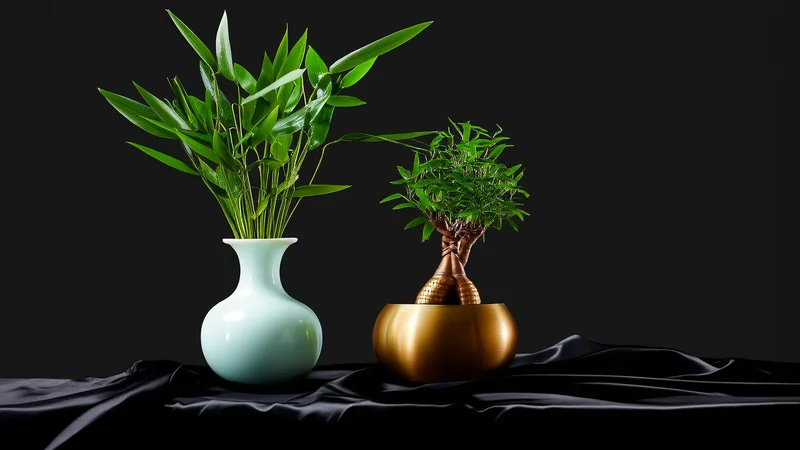
Feng Shui Plants: Which Plants Bring Good Energy?
In Feng Shui, plants are treated as symbols of Chi (life force energy), growth, and care. Traditional associations with prosperity or health are cultural meanings, not guaranteed effects. Choosing a healthy plant and placing it mindfully can still improve light, air, routine, and the feel of a room. This guide explains the symbolism alongside practical plant-care advice.
Why Plants Matter in Feng Shui
Plants are a natural representation of the Wood element, which symbolizes growth, renewal, and vitality. Incorporating healthy, thriving greenery into your surroundings helps balance the Five Elements (Wood, Fire, Earth, Metal, Water) and encourages a steady flow of positive Chi. Unlike statues or paintings, live plants actively interact with your space—they purify the air, release moisture, and respond to light and care. This living energy makes them uniquely powerful in Feng Shui. However, the key is to select plants with soft, rounded, or heart-shaped leaves, as these promote gentle, harmonious energy. Plants with sharp or spiky foliage can create “poison arrows” that disrupt the flow of Chi.
The Best Plants for Good Energy
While many houseplants can bring benefits, certain species are traditionally favored in Feng Shui for their specific energetic qualities. Below are five of the most potent and beloved options, each with a unique purpose.
1. Lucky Bamboo
Lucky bamboo is a popular Feng Shui plant; despite its name, it is a species of Dracaena. Stalk numbers carry traditional meanings—three for happiness, five for prosperity, and six for health—but these are cultural associations rather than predictions. Place it in bright, indirect light and change its water regularly. Crystals or coins may be decorative, but they do not replace proper plant care.
2. Money Plant
Often called the money plant (Epipremnum aureum or Pothos), this trailing vine is a powerhouse for financial abundance. Its round, coin-like leaves are reminiscent of currency, and it is believed to activate the Wealth area of your home or office (the southeast corner in the Bagua map). The money plant is incredibly forgiving and thrives in low light, making it perfect for beginners and busy professionals. To enhance its energy, place it on a high shelf or in a hanging basket so the vines can cascade downward – this symbolizes money flowing into your life. Avoid letting it become tangled or overcrowded; trim it regularly to keep the energy fresh and circulating.
3. Peace Lily
The peace lily (Spathiphyllum) is a blessing for both energy and air quality. It is renowned for its ability to purify the air of toxins like formaldehyde and benzene, which translates into a clearer, more serene home atmosphere. In Feng Shui, the peace lily is associated with peace, purity, and emotional healing. Its elegant white blooms and deep green leaves create a soothing presence, ideal for the bedroom or living room. This plant is particularly effective in calming stressful relationships or spaces where arguments tend to occur. It also resonates with the Metal element due to its white flowers, offering a gentle balance to Wood-energy homes. Keep the soil consistently moist but not waterlogged – a drooping peace lily is a sign of neglect and stagnating Chi.
4. Orchid
Representing love, nobility, and fertility, the orchid is a refined addition to any Feng Shui layout. Its graceful curves and vibrant colors stimulate the Romance sector (southwest corner) and draw positive, loving energy into your life. Orchids are also associated with excellence and perfection, making them excellent for a study or workspace where you need inspiration. Unlike many plants, orchids carry a high vibration of sophistication and patience, as they require attentive care and bloom repeatedly. A beautifully bloomed orchid in a well-lit room can elevate the entire vibe of a space. Place one on your nightstand to foster a peaceful, romantic atmosphere, but be sure to remove any faded blooms immediately, as dead flowers are a serious no-go in Feng Shui.
5. Jade Plant
The jade plant (Crassula ovata), often called the “money tree” or “friendship plant,” is a succulent with thick, round leaves that resemble jade coins. It is a classic symbol of wealth, prosperity, and good luck. In Feng Shui, jade plants are believed to activate the Wealth corner and attract financial success, especially when placed near the entrance of a business or home. Their sturdy, upright growth pattern represents stability and groundedness, making them excellent for home offices. Because jade plants are succulents, they require plenty of bright, indirect light and well-draining soil. Allow the soil to dry out completely between waterings. A healthy, plump jade plant is a magnet for abundance, so keep it thriving and never let it sit in stagnant water.
Plants to Avoid in Feng Shui
While many plants are beneficial, some are considered problematic or even harmful to the energy of your space. Not all greenery is good greenery in the practice of Feng Shui. Here are the main categories to steer clear of, or at least handle with caution.
- Pointed leaves and spiky foliage: Plants with sharply pointed or sword-shaped leaves, such as agave, aloe vera (though great for first aid, it is spiky), or sansevieria (snake plant) – actually create pointed leaves that emit focused, aggressive Chi known as “sha chi.” This is like an arrow aimed at you. If you absolutely love a reptilian-shaped leaf plant, place it in an area where the tips point away from entryways and frequently used areas, and never in the bedroom.
- Cactus: The cactus is perhaps the most controversial plant in Feng Shui. Its needles are a classic example of protective but aggressive energy. Some practitioners use cacti to deflect negative energy from outside (e.g., on a window ledge facing a sharp corner), but if placed in the wrong spot, they can cause conflict, stress, and even financial loss. It is generally best to avoid cacti in living rooms, bedrooms, and offices where you need harmony and collaboration. If you must keep one, ensure it is in a metal or ceramic pot and positioned out of sight lines from where you sit or sleep.
- Dead plants or dried flowers: This cannot be overstated – dead plants are the absolute worst in Feng Shui. Whether it is a yellowing leaf, a dried bouquet, or a withered stem, any form of dead plant material signifies decay, trapped energy, and the end of a cycle. It pulls down the vitality of your home and can invite lethargy, sickness, and misfortune. Remove dead leaves immediately, and replace your plants as soon as they show irreversible signs of decline. Even a single brown leaf can disrupt the otherwise positive flow of Chi.
- Artificial plants (in most cases): While some Feng Shui schools allow high-quality silk plants, most agree they lack the living energy of real plants. Plastic or dusty artificial flowers are particularly deadening, as they hold no vitality and can contribute to a stagnant, unnatural atmosphere. If you cannot maintain live plants, a clean, beautiful piece of nature-inspired art is a better alternative.
Placement: Where to Put Your Good-Energy Plants
Knowing which plants to use is only half the battle – proper placement is equally critical. A beneficial plant in the wrong spot can create turbulence, while a moderately beneficial placement can amplify a plant's power. Here are some key guidelines to follow:
- Entrance and hallways: Place a healthy, round-leaved plant (such as a money plant or jade plant) near the front door to welcome wealth and positive opportunities into your home. Ensure it is well-lit and not blocked by clutter.
- Living room: This is the heart of social interaction. Use large, lush plants like the peace lily or an orchid in a corner to soften energy and encourage lively but harmonious conversations. Avoid crowding the space with too many plants, as an overgrown jungle can overwhelm the Chi.
- Office or study: For concentration and career growth, place a lucky bamboo in the north area (Career & Life Path) or on your desk at the left side (the Dragon side). A jade plant on your desk symbolically boosts your earning potential. Avoid plants with trailing or drooping vines, as they can drag your energy down.
- Bedroom: Generally, plants are allowed but should be kept to a minimum. A single peace lily or a pair of orchids on a nightstand can enhance love and rest. However, avoid large, pungent, or rapidly growing plants in the bedroom, as their active Wood energy can disrupt sleep and restfulness.
- Bathroom: A moisture-loving plant like the peace lily or lucky bamboo can be excellent in a bathroom, as water and wood elements interact to bring flow and renewal. Just ensure the plant receives enough indirect light.
- Never place plants in the center of a room: The center is the heart of your home’s overall energy. Placing a plant there can create an imbalance, particularly if it is a large, dominant specimen. Instead, keep the center clear to allow Chi to circulate freely.
Careful Maintenance: The Living Contract
In Feng Shui, a plant is not a static decoration – it is a living partner in your energetic ecosystem. This means you have a responsibility to keep your plants vibrant and healthy. A thriving plant amplifies positive Chi, while a neglected, wilted plant becomes a source of negative energy. Water your plants on a schedule, prune away any yellow or brown leaves, and repot them when they outgrow their containers. Speak to your plants, or at least check on them mindfully. This simple act of daily awareness transforms your relationship with your greenery and keeps the energy flowing upward. If you travel frequently, consider using self-watering pots or placing your plants in a location where a neighbor can tend to them. Never return to a house full of wilted plants and expect to feel uplifted.
“A healthy plant is a mirror of a healthy heart. When you care for your greens, you are also tending to the garden of your own spirit.” – A Feng Shui principle from the classic texts.
Final Thoughts on Your Green Companions
Integrating plants into your Feng Shui practice is not about filling every corner with leaves but about making intentional choices that align with your goals. Start with one or two powerhouse plants – perhaps a lucky bamboo for good luck, a money plant for wealth, and a peace lily for serenity. Observe how they interact with your space and your own mood. Over time, you will develop an intuitive sense of what your home needs. Remember that the ultimate goal of Feng Shui is harmony between you, your environment, and the natural world. A single, vibrant jade plant on your desk can do more for your prosperity than a thousand artificial ornaments ever could. Choose wisely, place mindfully, and nurture generously. Your home will respond with an energy that is not only visible but deeply felt.