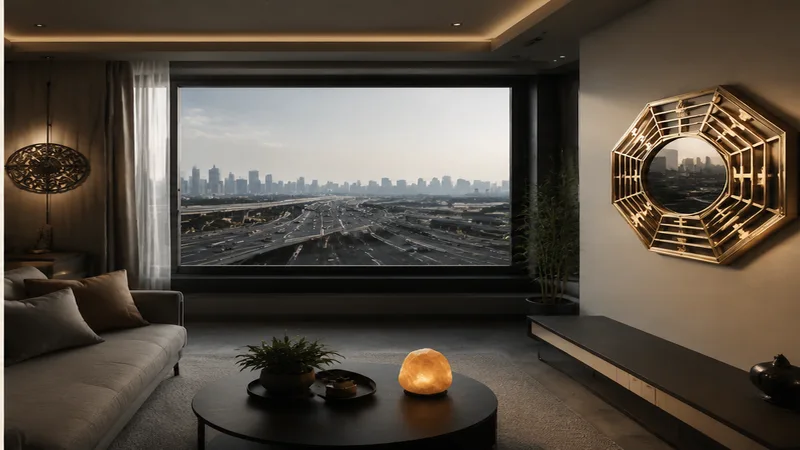
The Ancient Wisdom of Sound Sha
In classical Feng Shui, sound sha is a vivid name for abrupt, relentless, or overwhelming noise. A roaring highway, railway, or industrial hum can make a home feel unsettled; modern acoustics also measures effects on sleep and concentration. This guide connects the old symbolism with practical options such as window seals, quieter rooms, white noise, and local noise guidance.
“The ear is the gateway to the spirit. When the gateway is violated, the spirit cannot rest.” — Traditional Feng Shui saying
Traditional Feng Shui practitioners paid close attention to natural sounds—birds, flowing water, wind in the pines. These were considered nourishing to chi. Conversely, abrupt human-made noises were thought to scatter the mind and drain vitality. Today, we have scientific evidence that supports this ancient intuition. Noise pollution triggers the release of cortisol, the stress hormone, and keeps the nervous system in a state of alert. In Feng Shui terms, this means your home is constantly leaking energy, even when you are not consciously aware of the noise. The first step to healing is recognizing that sound sha is not just an annoyance—it is a serious energetic pollutant that affects every aspect of your well-being.
Modern Noise Pollution: The New Sha Chi
Living near a highway or railway exposes you to a cocktail of sounds: tire rumble, engine roars, horns, braking, and the repetitive clatter of trains. From a Feng Shui perspective, these are not merely decibels—they are sound sha cutting through the air like invisible arrows. The constant flow of vehicles creates a river of rushing yang energy that never stops. While a gentle stream brings nourishing chi, a highway is more like a flood—too fast, too loud, and too harsh. Moreover, railway lines can create a "knife edge" effect, slicing through the natural harmony of a neighborhood. The old masters would have described this as “the sword of noise,” a form of sha that disrupts the stability required for health, relationships, and prosperity.
Noise pollution is not just a physical nuisance; it has profound health effects that align perfectly with Feng Shui principles. When you live in a noisy environment, your body's chi becomes chaotic. You may experience fatigue, irritability, and a constant low-grade anxiety. Research has linked prolonged exposure to highway noise with increased risk of cardiovascular disease, elevated blood pressure, and impaired cognitive function in children. Feng Shui sees this as the metal element (the sound of traffic) attacking the fire element (the heart and circulation). The result is a home that feels restless, and inhabitants who feel unsettled even when they are trying to relax. This is why addressing sound sha is not a luxury—it is a necessity for anyone serious about creating a supportive living space.
Health Effects You May Notice
- Difficulty falling asleep or staying asleep, leading to poor sleep quality and daytime exhaustion
- Increased stress hormone levels, causing chronic tension in the neck, shoulders, and jaw
- Reduced ability to concentrate, especially during work or study
- Heightened emotional reactivity, such as irritability or sadness without clear cause
- Weakened immune response, as the body is constantly in "fight or flight" mode
In Feng Shui, these symptoms are interpreted as an imbalance in the water element (nervous system) and the metal element (lungs and skin). The constant noise is like a wind that dries up your emotional reserves. It is essential to treat the cause, not just the symptoms. By addressing sound sha physically and energetically, you can reclaim a sense of calm and clarity in your home.
How Sound Sha Energy Impacts Your Home's Chi
Your home is meant to be a sanctuary—a place where chi can accumulate, circulate, and nourish. But when sound sha enters, it disrupts the very fabric of your living environment. Think of it this way: if you were trying to meditate next to a jackhammer, would your inner peace remain intact? Of course not. The same principle applies to the chi in your home. Highway noise and railway sounds create vibrations that travel through walls, floors, and windows. These vibrations scatter chi, preventing it from settling into comfortable, supportive patterns. Energy becomes too fast and chaotic, much like the traffic itself.
One of the most affected areas is the bedroom. Sleep quality is the cornerstone of health, and sound sha is a notorious thief of rest. Even if you are not fully awake, your subconscious mind registers every spike in noise. This causes micro-arousals that fragment your sleep cycle. From a Feng Shui perspective, a bedroom exposed to noise fails to hold yin energy—the calm, restorative quality needed for deep rest. Over time, this can lead to a yin deficiency, leaving you feeling exhausted but unable to relax. It can also strain relationships, as both partners become more irritable and less emotionally available.
Practical Feng Shui Remedies for Living Near Highways
The good news is that Feng Shui offers a comprehensive toolkit for mitigating sound sha. While you cannot move the highway or silence the railway, you can transform how this energy interacts with your space. The following remedies combine ancient wisdom with modern design, giving you practical steps to restore harmony.
Use Trees and Greenery as Natural Sound Barriers
One of the most effective and beautiful remedies is planting trees and dense shrubbery between the noise source and your home. In Feng Shui, trees are considered the "guardians" of a property. They absorb harsh energy, slow down rushing chi, and filter the air. From a practical standpoint, a thick row of evergreen trees—such as arborvitae, cypress, or leylandii—acts as a natural sound barrier. These trees not only block and deflect sound waves but also create a visual screen, which is crucial because the sight of traffic is part of the problem. When you cannot see the noise source, your mind is less likely to be agitated.
For best results, plant trees in a staggered double row. This creates a thicker barrier and reduces the "gap" effect. In Feng Shui, this is called the "wrapping dragon" pattern, where greenery encircles and protects the home. If you have a smaller yard, use a mix of tall shrubs and ornamental grasses. Even a few potted plants on a balcony can help to soften the acoustics. Place them near windows and doors, which are the primary entry points for sound sha.
Create a Sonic Buffer with Water Features
Water is the ultimate antidote to harsh metal energy in Feng Shui, and sound sha is born from metal (traffic, rails, machinery). Introducing the sound of gentle, moving water—such as a small fountain, a pond, or a bamboo water spout—replaces the abrasive noise with a healing, rhythmic sound. This is known as "covering" in Feng Shui: you cannot always eliminate the negative, but you can overshadow it with positive. A well-placed water feature near the loudest side of your home creates a bubble of calm. The trick is to keep it in good repair, as stagnant or overly loud water can create a different type of sha.
Place a fountain near your front entrance to create a welcoming transition, or in a courtyard facing the noise source. Indoors, a tabletop fountain in the living room or bedroom can mask intermittent traffic sounds. The water element also nourishes your wealth and career areas, so you are not just treating the symptom—you are enhancing your overall chi. Just be sure to avoid placing water in the bedroom if you are sensitive to sound or humidity; there, a smaller, gentle water feature or even a white noise machine with water sounds can suffice.
Use Sound-Absorbing Materials and Smart Layout
In modern Feng Shui, we can adjust the physical fabric of our homes to reduce sound sha. Heavy curtains, plush rugs, upholstered furniture, and wall tapestries all absorb sound rather than reflecting it. This is especially important for hard surfaces like wood, tile, and concrete, which amplify noise pollution. Adding a thick, layered curtain over a window facing the highway is one of the simplest remedies. Choose fabrics like velvet or tweed, which have high density and sound-dampening properties. The folded layers break up sound waves before they enter your living space.
Your interior layout matters too. In Feng Shui, you should place your most used rooms—like the living room and bedroom—on the quieter side of the house if possible. If that is not feasible, use large bookshelves, wardrobes, or decorative screens as interior buffers. A tall bookshelf filled with books acts as a solid mass that can block sound vibrations. Position these pieces between the window (the point of entry for sound sha) and the main sitting or sleeping area. Additionally, consider installing double-glazed windows or sealing gaps around doors and window frames. These are practical, modern improvements that align with the Feng Shui principle of "building a fortress against sha."
Strengthen Your Bedroom for Better Sleep Quality
Because sleep quality is so deeply affected by highway noise, your bedroom requires special attention. Start by positioning the bed in the "command position"—diagonal from the door, but not directly against the wall facing the noise source. If the wall closest to the highway is also where your head rests, you are literally putting your head in the line of fire. Move the bed away from that wall, or place a solid headboard that is thick and padded. In Feng Shui, a sturdy headboard represents resilience and protection. The same goes for the bedroom wall itself: you can hang a thick woven rug gobelin or acoustic panels on the noise-facing wall. These decorative items serve a dual purpose—they absorb sound and introduce the earth element, which helps ground restless chi.
For the ultimate comfort, consider adding a white noise machine or a fan. While this might seem counterintuitive, the gentle, consistent sound creates a "masking" effect. It fills the acoustic space with neutral, soothing white noise, which makes intermittent traffic sounds less jarring. Some Feng Shui practitioners also recommend playing the sound of ocean waves, rain, or a soft flute during the night. This is not just about audio—it is about giving your subconscious mind a positive sound to anchor to, rather than the sharp, unpredictable sound sha. Add a small bowl of sea salt under the bed or near the noise-filled window to absorb excess metal and create a sense of purification.
A Holistic Approach to Sound Sha
Living near a highway or railway does not mean you are doomed to poor health and restless energy. By understanding sound sha for what it is—an energetic attack on your well-being—you can take proactive steps to shield your home. Ancient Feng Shui offers the wisdom: “The wind, the water, and the sound all carry chi. What carries chi can be transformed.” This is the essence of this practice. It is not about denying the noise; it is about consciously reshaping your environment so that your home remains a container of calm.
Remember that the most powerful remedy is your own intention. When you walk through your front door, take a breath and visualize yourself stepping into a bubble of silence and protection. Use treesFrequently Asked Questions