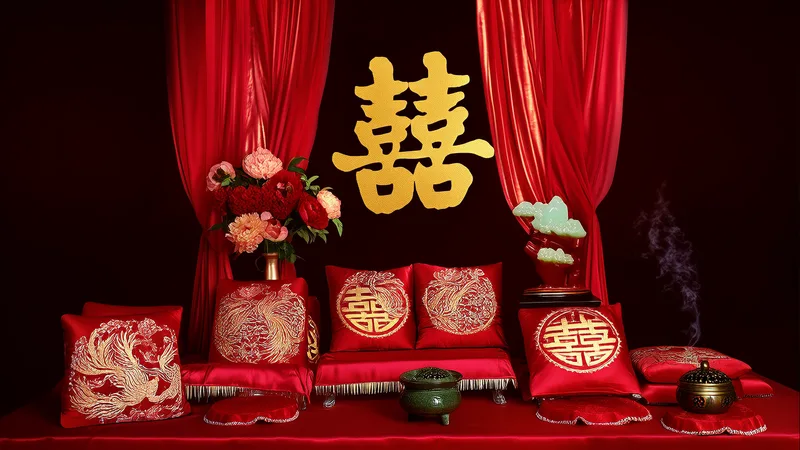
A wedding is one of the most significant ceremonies in traditional Chinese culture. Families have long devoted extraordinary attention to the details: the date, the time, the colors, the venue, the decorations, the arrangement of the bridal chamber, and even the direction photographs face on the wall. Behind each of these details is a rich tradition of feng shui thinking centered on one core idea:
Start the marriage with good symbolism, and good symbolism may help sustain what follows.
Modern couples are not obligated to follow every traditional rule. But understanding the cultural meaning behind Chinese wedding customs makes any Chinese-influenced celebration more interesting — and reveals a surprisingly thoughtful philosophy about the relationship between environment, symbolism, and new beginnings.
Why Feng Shui Cares About the Wedding Venue
Traditional Chinese feng shui has strong preferences about where a wedding should be held. The ideal venue is bright, open, clean, well-ventilated, and energetically positive. These qualities are associated with the yang energy of celebration — vibrant, expansive, and forward-looking.
Some traditional sources express caution about holding weddings in underground or basement venues. The symbolic reasoning is fairly straightforward: a wedding marks the beginning of a new life together, and underground spaces can feel closed, dark, and removed from the natural world. In traditional thinking, this conflicts with the openness and brightness a wedding should embody.
This is a cultural belief rather than a binding rule. Couples who choose beautiful underground venues for their atmosphere, acoustics, or unique character are not inviting bad luck — no piece of stone or cement has that power. The principle worth extracting is simpler: choose a venue where you genuinely feel joy and celebration, not just convenience.
Light as a Wedding Tradition
Light plays an extraordinarily important role in Chinese wedding symbolism. Brightness has been associated in Chinese culture with:
- Happiness and good fortune
- Clarity and honesty between partners
- A hopeful and visible future
- The vitality of new life together
- Yang energy at its most celebratory
This is why traditional Chinese wedding celebrations have always used abundant lighting — lanterns, candles, decorated lights, and bright color. Some older feng shui traditions consider it inauspicious to allow all lights to go out during a wedding ceremony, as darkness symbolizes interruption or concealment.
Modern weddings obviously use lighting in creative ways — intimate candlelit ceremonies, dramatic venue lighting, sparkler exits. The traditional principle that matters is not literally about keeping the lights on at all times. It is about creating an atmosphere of warmth, celebration, and genuine brightness that sets the emotional tone for the marriage.
The Meaning of Red in Chinese Weddings
Red is the defining color of Chinese wedding tradition, appearing in decorations, red envelopes (hong bao), paper cutouts, ribbons, candles, and historically in the bride's clothing and veil.
The cultural significance of red in Chinese tradition is vast. It represents:
- Joy and celebration
- Prosperity and good fortune
- Vitality and life force
- Protection from negative forces
- The warmth of fire and the energy of beginnings
Red lanterns hanging outside a home during a wedding communicate to the entire community: something wonderful is happening here. The color is a public declaration of happiness.
From a feng shui perspective, red activates Fire energy — associated with passion, dynamism, and celebratory excitement. This makes it particularly appropriate for the day that launches a marriage. However, feng shui also cautions against excess: a bedroom painted entirely red may eventually feel overwhelming rather than romantic. The traditional recommendation is to use red as a vivid accent rather than a total environment, especially in the long term.
Decorating the Bridal Room
The bridal room — the bedroom that will be shared by the newlyweds — receives particular attention in traditional Chinese feng shui. The key qualities sought are:
Brightness and Natural Light
A room with good natural light is considered particularly favorable. Light represents clarity, openness, and the positive energy of new beginnings. Traditional advice consistently emphasizes choosing a bedroom with generous windows or at minimum good artificial lighting.
Good Ventilation
Fresh air circulation is prized in feng shui generally, but especially in the bridal room. Modern health considerations make this even more relevant: if the room has been recently renovated, painted, or furnished, proper ventilation of building materials is important before couples spend extended time there.
Red and Joyful Decorations
Traditional bridal room decorations typically feature paired red candles, red paper cutouts (often of the character 囍, meaning double happiness), fresh flowers, and symbolic objects representing fertility, happiness, and partnership. The visual experience of entering the room should feel celebratory and joyful.
Symmetry and Pairs
Pairs are essential in the traditional bridal room — two pillows, two red candles, two matching items wherever possible. The symbolism is consistent: the marriage is a union of equals, and the space should reflect that equality and companionship from the very first night.
Where Should Wedding Photos Be Placed?
Wedding photographs hold deep emotional significance. They are among the most personal objects in a home — visual anchors to one of the most important days of a couple's life. Traditional feng shui has specific thoughts about where these photographs should be displayed.
Different schools of feng shui suggest different locations. The southwest direction is frequently recommended because it is associated (in some traditions) with the Earth element and the energy of partnership and stability. The northwest is sometimes suggested in others. The key principle across most traditions is to place wedding photos where they can be seen and enjoyed, in a position that receives good light, without physical risk.
One consistent traditional caution concerns placing a large framed wedding photograph directly above the bed. This is discouraged for a practical reason that goes beyond feng shui: a heavy frame hanging above where you sleep poses a physical risk in earthquakes or if the mounting fails. Safety should always come first.
Mirrors and Wedding Photos
Traditional feng shui pays careful attention to mirrors because they reflect and amplify what they face. A mirror positioned to directly reflect a wedding photograph may be interpreted symbolically as creating a "double" or "split" of the relationship — an image within an image that disrupts the singularity of the union.
This is a cultural convention rather than a scientifically established principle. If you enjoy traditional Chinese interior symbolism, positioning your wedding photo somewhere visually calm — away from direct mirror reflection — is an easy tradition to follow. If the best location for your photograph happens to involve a mirror, the practical value of the beautiful display may outweigh the symbolic concern.
The Deeper Meaning of Wedding Feng Shui
Perhaps the most valuable aspect of traditional Chinese wedding feng shui has nothing to do with supernatural forces at all.
A wedding is a transition — one of the most significant in human life. Traditional cultures recognized the importance of marking this transition not just with a ceremony but with deliberate changes to the physical environment. Preparing the home, decorating the bedroom, choosing meaningful objects, displaying photographs — these actions collectively reinforce the psychological reality that life is genuinely changing.
When a couple spends time choosing where to hang their wedding photo, what flowers to put in the bedroom, how to arrange their shared space, they are doing more than interior design. They are building the visual and physical foundation of their new life together.
That process — thoughtful, deliberate, symbolic — is powerful in its own right. The feng shui tradition simply gives it cultural language and historical depth.