The Power of Mirrors in Feng Shui
Mirrors are often called the "aspirin" of Feng Shui because they can cure many energetic imbalances in a home. Yet they are also among the most misunderstood tools in this ancient practice. A mirror does more than reflect your image; it reflects and redirects chi (life force energy) throughout your space. When placed with intention, mirrors can expand a cramped room, draw in prosperity, and highlight beautiful views. But when placed carelessly, they can disrupt sleep, create anxiety, and even multiply negative energy. This complete guide will walk you through every essential rule of mirror placement, helping you harness the power of mirrors while avoiding the common pitfalls.
Beneficial Placements: Where Mirrors Thrive
The key to beneficial mirror placement is understanding that a mirror doubles whatever it sees. If it reflects a beautiful garden, a bowl of oranges, or a serene piece of art, it doubles that positive energy. Conversely, if it reflects clutter, a bathroom door, or a sharp corner, it doubles that negativity. Here are some of the most effective and popular placements for mirrors in Feng Shui:
- Dining room – Place a mirror so it reflects the dining table and the food served on it. This symbolizes abundance and multiplies the nourishment and wealth of the household.
- Living room – A mirror on a wall perpendicular to a window brings more natural light into the room and expands the space visually. Avoid placing it directly opposite the window, as it may bounce energy back out.
- Entryway – A mirror near the front door, but not directly facing it, is an excellent way to broaden a narrow entry. It also allows you to see who is coming and going, which feels secure. Ideally, the mirror should be placed on a side wall, not directly opposite the door.
- Home office – Position a mirror to reflect your computer screen or your workspace. This doubles your focus and productivity, but be careful it does not reflect the back of your head, which can create a sense of vulnerability.
- Dark corridors – In a dark hallway, a mirror can brighten the space by reflecting light from adjacent rooms. Just make sure it reflects something pleasant, not a bathroom door.
"The best mirror in Feng Shui is one that reflects something you want more of in your life. Mirror what you wish to multiply."
Avoid Positions: What Not to Do
While mirrors are versatile, certain positions are universally discouraged in Feng Shui. These are the classic "avoid positions" that can create stagnant or harmful energy. Heed these warnings to keep your home’s chi flowing smoothly.
Avoid reflecting the toilet. The bathroom is considered a drain on energy, and a mirror that reflects the toilet or the bathroom door can amplify that draining effect. Similarly, avoid placing a mirror inside the bathroom directly facing the toilet. If you have a mirror on the bathroom door (a common design trend), consider removing it or covering it when not in use.
Avoid facing the front door. A mirror directly opposite the main entry door is one of the most famous Feng Shui taboos. It is believed that the energy entering the home is immediately bounced back outside, preventing opportunities, money, and good news from entering. If you have a mirror facing the front door, move it to a side wall.
Avoid broken or cloudy mirrors. Cracked, chipped, or warped mirrors represent fragmented energy and should be repaired or replaced immediately. This also applies to mirrors with dark or unclear surfaces. A mirror that distorts your image can unconsciously lower your self-esteem and create unease.
Avoid clutter in front of mirrors. A mirror that reflects clutter doubles the visual chaos and energetic stagnation. If you have a mirror in a cluttered area, either remove the clutter or move the mirror. The reflection should always be clean, calm, and lovely.
Mirror Facing Bed: Why It's Problematic
One of the most frequently asked questions about mirror placement is whether a mirror facing the bed is acceptable. In Feng Shui, the answer is a firm no. There are several reasons why mirror facing bed is considered a major feng shui mistake:
- Disturbs sleep: Our souls travel during sleep, and a mirror reflecting the bed can cause a feeling of being watched, leading to restless nights and nightmares. A mirror captures energy and sends it back, making it difficult to truly rest.
- Reflects your energy back: When you lie in bed, the mirror shows your body, and this is believed to drain your energy, especially during times of vulnerability. That is why it is said that a mirror facing the bed can lead to health issues or relationship problems.
- Invites a third person into the relationship: In a couple's bedroom, a mirror facing the bed can symbolize a third person in the marriage, potentially causing infidelity or arguments.
If you already have a mirror facing the bed, do not panic. The easiest fix is to move it to another wall. If the mirror is attached to a closet door or wardrobe, cover it with a cloth or decorative curtain at night. You can also reposition your bed so it is not directly reflected in the mirror. That way, the mirror remains functional but not disruptive.
Mirror in Hallway: How to Use It Correctly
A mirror in hallway can be a beautiful and practical addition, but it has its own set of rules. Hallways are paths for chi to travel throughout your home. If a mirror is placed at the end of a long hallway, it can create a "dragon gate" that pushes energy back, which is undesirable. Instead, place mirrors along the sides of the hallway. This allows the energy to flow smoothly while also creating a sense of depth and light.
In a narrow or dark hallway, a mirror is one of the best feng shui remedies. It visually widens the corridor and brightens the space by reflecting natural light from open doors or windows. Just be mindful of what is directly opposite the mirror. If it is a wall, it is fine. If it is a doorway to a bathroom or a cluttered room, avoid that placement.
Another tip for a mirror in hallway is to regard it as an opportunity to reflect an image of growth and expansion. Mirrors shaped like vertical rectangles can make a low ceiling feel taller. Round or oval mirrors soften sharp corners and add a gentle, flowy energy. Never hang a mirror in a hallway where furniture or people are constantly bumping into it, as that creates stress and imminent breakage.
The Bagua Mirror: A Special Tool
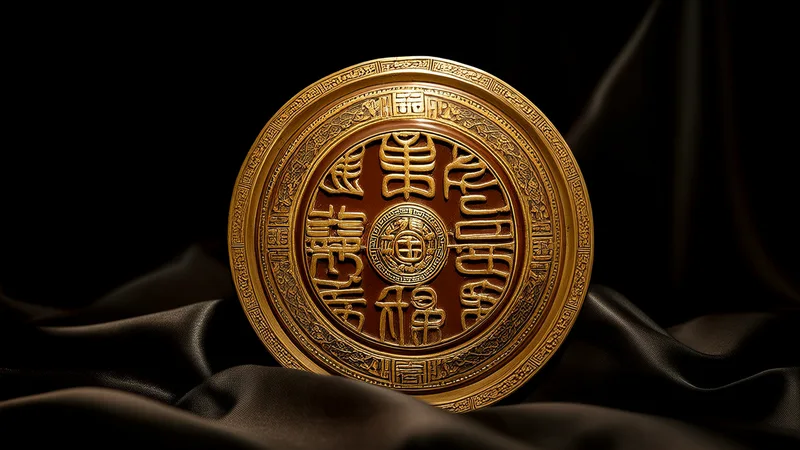
Among all mirror types, the bagua mirror holds a unique and powerful place in Feng Shui. Unlike everyday mirrors, a bagua mirror is an octagonal or square shaped tool that has a small mirror in the center, surrounded by the eight trigrams of the I Ching. It is used strictly for protection, not for decoration or reflection.
There are three types of bagua mirrors: the pa kua (the eight trigrams), the lo shu (the magic square), and the flying star. In classical Feng Shui, the bagua mirror is used to deflect negative energy (sha chi) that comes from sharp arrows, T-junctions, or objects that are considered unlucky. Common applications include hanging a bagua mirror over the main door to ward off an oncoming road, a large tree that blocks the entrance, or a neighbor’s roof ridge pointing directly at your home.
However, bagua mirrors must be handled with extreme care. They are considered a highly yang tool and should never be placed inside the home, because they can reflect good energy away and may harm close relationships. They should always be hung outside, ideally over the exterior of the front door, and never facing a neighbor's door or window, as that can cause conflict. If you are not experienced with Feng Shui, it is often safer to consult a qualified practitioner before using a bagua mirror.
Mirror Doubles: The Concept of Multiplying Energy
In Feng Shui, the phrase "mirror doubles" refers to the fundamental principle that a mirror doubles the energy of whatever it reflects. This can be a double-edged sword. When used intentionally, mirror doubles can be a potent remedy for scarcity. For instance, if you want to increase wealth, place a mirror in front of your safe or cash drawer so it reflects and multiplies the money inside. If you have a beautiful view of a garden or a city skyline, a mirror can bring that expansive energy into a room that lacks it.
The concept also applies to chandeliers and lights. A mirror reflecting a sparkling chandelier doubles the light and adds a festive vibe to any dining area. This is a classic trick used by interior designers and Feng Shui masters alike. In a small apartment, mirror doubles are particularly useful because they make the place feel larger and more abundant. Use them to reflect light, plants, and symbols of prosperity.
On the negative side, be extremely cautious with "mirror doubles" in bedrooms and bathrooms. Doubling a mirror that reflects a toilet, a garbage bin, or a pile of laundry will simply double the negative chi. The rule of thumb is simple: only let a mirror double the things you want more of, and never let it double things you want to get rid of.
Final Placement Guide and Recommendations
To summarize, here is a quick reference guide for your mirror placement decisions:
- Do: Place mirrors in the dining room to reflect food, in the entryway on a side wall, in dark hallways, and in small living spaces to enlarge them.
- Don't: Hang mirrors facing the bed, facing the front door, reflecting the toilet, or reflecting clutter.
- Special considerations: Use bagua mirrors only outdoors for protection, and remember that mirror doubles multiply whatever they see, so keep the reflection positive.
- Check as you go: Sit in every chair in your home. If you can see your own reflection from that chair, that is usually a "moving" mirror that can make you feel restless. Adjust accordingly.
Mirrors are a reflection of your soul and your home. By following these time-tested Feng Shui principles, you can transform your living space into a sanctuary of balanced, uplifting energy. Whether you are working with mirror facing bed issues, planning a mirror in hallway, or considering a bagua mirror for exterior protection, always trust your intuition and aim for harmony. With the right placement, mirrors will become your best ally in creating a vibrant and peaceful home.