The Power of Water in Feng Shui
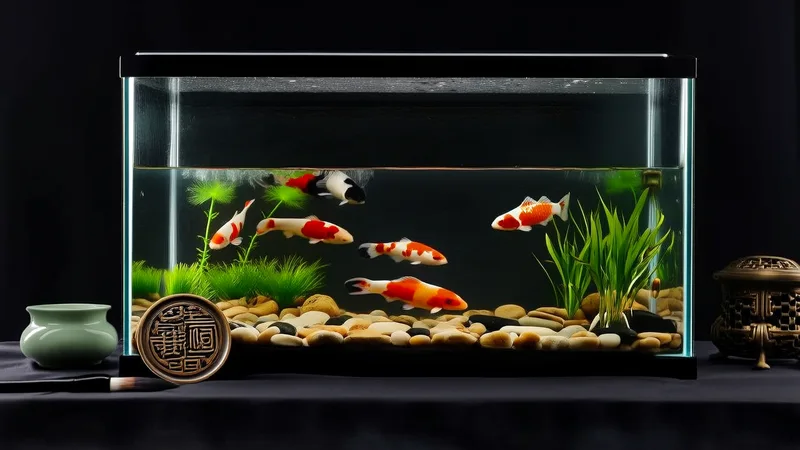
Water is one of the most vivid symbols in Feng Shui, representing wealth, abundance, and the flow of life energy, or Chi. A thoughtfully maintained aquarium brings movement, reflection, and living color into a room. In folk practice it can serve as a wealth activation symbol, while in everyday terms it is a living system that needs suitable placement, size, inhabitants, and careful upkeep. The fish and water deserve real care before any symbolic meaning.
Ideal Aquarium Placement
The most critical decision in fish tank Feng Shui is where you place the aquarium. Water energy must be directed to the areas of your life you wish to enhance. Placing a tank in the wrong sector can create imbalances or even bring misfortune, so careful consideration is essential.
South East: The Wealth Classic
In traditional Feng Shui, the south east sector is associated with wealth and abundance, and water is said to nourish its Wood element. This makes it a popular aquarium placement in cultural practice. Keep the tank clean, well-lit, and gently circulating for the fish’s welfare; the symbolism may give the corner intention, but it cannot guarantee new opportunities or steady income.
North: The Career Catalyst
The north area of your home or office corresponds to your career and life path. The north is ruled by the water element itself, making it a naturally compatible and powerful spot for an aquarium. Placing a fish tank in the north can help you navigate career transitions, attract supportive mentors, and open doors to new professional avenues. The flowing water here acts as a gentle current, washing away obstacles and helping you advance smoothly. This placement is particularly beneficial for those in leadership positions, entrepreneurs, or anyone seeking recognition in their field.
Other Placements and Avoidances
Beyond south east and north, the feng shui energy of a tank can be adapted to other bagua areas with care. The east is good for family and health, while the west supports creativity and children. However, never place a fish tank in the south sector—the fire element dominates the south, and water extinguishes fire, creating conflict. This can lead to financial losses, arguments, or a drained, exhausted feeling in the household.
Also avoid these dangerous locations:
- In the bedroom: The constant moving water and “yin” energy of an aquarium creates restlessness and can disrupt sleep and romantic harmony.
- In the kitchen: Water and fire clash directly, leading to instability in wealth and health. The kitchen is a place of fire; never place a tank opposite the stove or near the sink.
- Aligned with the front door: If the tank faces the main entrance directly, it can push wealth out instead of pulling it in. It should be visible from the door but not directly in the path of incoming energy.
- Under a beam or staircase: Negative sha chi presses down, suffocating the good energy of the tank.
Choosing the Right Size and Shape
Bigger is not always better in Feng Shui. The ideal aquarium size should be proportionate to the room. A giant tank in a small apartment overwhelms the space, creating excessive yin energy and potential anxiety. A tiny tank in a large hall is simply ineffective. The aquarium should feel balanced and integrated.
Shape also plays a role. Round and oval shapes are considered ideal as they promote the gentle movement of water and have no sharp edges that can create sha chi (negative energy). Rectangular tanks are acceptable, but avoid sharp corners pointing directly at seating areas. Avoid triangular or unusually shaped tanks, as they produce unstable, chaotic water flow. Also, ensure the tank has a secure lid to prevent positive energy from escaping upward.
How Many Fish Should You Keep?
The number of fish in your aquarium is a traditional and powerful Feng Shui tool. While the natural vitality of the fish itself is always important, using specific numbers and colors enhances the energetic intent of your tank.
The Auspicious Numbers
In Chinese numerology, certain numbers are considered lucky. Nine is the ultimate number of completeness and longevity, representing heaven. The number eight is deeply associated with wealth and prosperity—its pronunciation “ba” sounds like “fa” meaning to become rich. Six, meanwhile, represents smooth advancement.
A traditional rule is to keep nine goldfish, or eight goldfish with one black fish. In the symbolism, the goldfish represent abundance and the black fish acts as a protective guardian. It does not absorb misfortune or prevent financial loss; choose a stocking level that is humane for the tank and species.
Other practitioners prefer using multiples of six: six, twelve, or eighteen fish. Ultimately, the best number is one that feels balanced and comfortable for your tank's size. Overcrowding is a stress on the fish and reflects poorly in Feng Shui. Healthy, thriving fish are more important than an auspicious number of dying or stressed ones.
Choosing the Right Fish: Goldfish and Arowana
When it comes to species, goldfish are the classic Feng Shui choice. Their golden hue symbolizes wealth and their flowing fins represent ease and movement of money. The Chinese believe that the “dragon fish” or arowana is one of the most auspicious creatures you can keep. The arowana, also known as the Asian bonytongue, is often called the “dragon fish” because of its resemblance to the mythical dragon. It is said to bring immense wealth, honor, and success, but it is a demanding and expensive fish to keep properly. Only advanced hobbyists with large tanks should consider an arowana.
For practical Feng Shui, goldfish remain the most accessible and effective choice. Avoid aggressive or carnivorous fish, as their chaotic energy fosters conflict. Similarly, avoid spiny or sharp fish, which can create cutting ech. Keep the fish display graceful and harmonious to attract the same quality of energy into your life.
Essential Fish Tank Care and Maintenance
No matter how perfect your placement or auspicious your fish count, a neglected tank is a Feng Shui disaster. Stagnant, dirty water represents blocked or decaying chi, directly undermining your wealth. Maintaining impeccable water quality is not just good fishkeeping—it is a core tenet of Feng Shui.
Healthy, clean water is both good animal care and a vivid Feng Shui image of flowing energy. A murky or foul-smelling tank can make a room feel neglected and may harm fish; it is not a financial omen. Establish a regular maintenance routine and follow aquarium-care guidance.
- Weekly partial water changes: Replace 20-30% of the water every week to keep nitrates low and minerals balanced. Always dechlorinate tap water before adding it.
- Filter care: Rinse filter media in tank water (not tap water, which kills beneficial bacteria) once a month. Never replace all filter media at once.
- Glass and algae: Clean the glass regularly to keep a clear view. Use a magnetic algae scraper to prevent light blockage and energy stagnation.
- Observe your fish: Sick or dying fish are the most urgent red flag in Feng Shui. If a fish dies, remove it immediately, investigate the water parameters, and replace it as soon as the tank is healthy again. A dead fish left in the tank is a glaring sign of bad luck.
Invest in a good testing kit for pH, ammonia, nitrite, and nitrate. Stable water parameters create healthy, active fish. The livelier and more colorful your fish, the stronger the positive energy they generate. In Feng Shui, the health of the fish directly mirrors the health of your finances. When your fish are vibrant and energetic, your prosperity is likewise vibrant and energetic.
Activating Wealth with Your Aquarium
Simply placing a tank and stocking it is the start, but true wealth activation involves intention and layering of remedies. To supercharge the prosperity potential of your aquarium, combine it with other symbolic Feng Shui elements.
When placing the tank in the south east, incorporate a small fountain or a gentle water feature inside or beside the tank? No—too much water can dilute energy. Instead, place a money frog (the three-legged toad) near the tank facing inward, as if he is leaping into the water to bring wealth. You can also place small, round crystals or citrine stones near the aquarium to amplify its positive aura. Be careful not to overdo it; the tank itself is a powerful cure, and stacking too many cures in one area can create clutter and confusion.
Feng Shui wisdom: The best fish tank is one that you enjoy caring for daily. A clean tank with thriving fish is your best fortune. The water is alive, and its energy responds directly to your attention and intention. Nurture it, and it will nurture your wealth in return.
Additionally, consider the lighting around the aquarium. Soft, warm light enhances the golden tones of the fish and creates a welcoming atmosphere. Avoid harsh, flickering lights that disturb the peaceful energy. Keep the area around the tank free of clutter and dust, so that the wealth energies can settle and circulate freely.
Feng Shui is a subtle practice, but its principles are grounded in common sense and observation. A well-placed, healthy aquarium is one of the most joyful and dynamic additions to any space. By following these guidelines for aquarium placement, size, number of fish, and water quality, you can transform a simple fish tank into a powerful ally for attracting lasting prosperity, health, and harmony.
Remember, the ultimate goal is balance. The aquarium is a living, breathing part of your home—its energy is a reflection of yours. Feed your fish well, keep their water pure, and let them swim gracefully in your south east or north sector. In doing so, you create a vibrant channel for wealth to flow into your life, and you honor the timeless art of Feng Shui in its most beautiful, aquatic form.