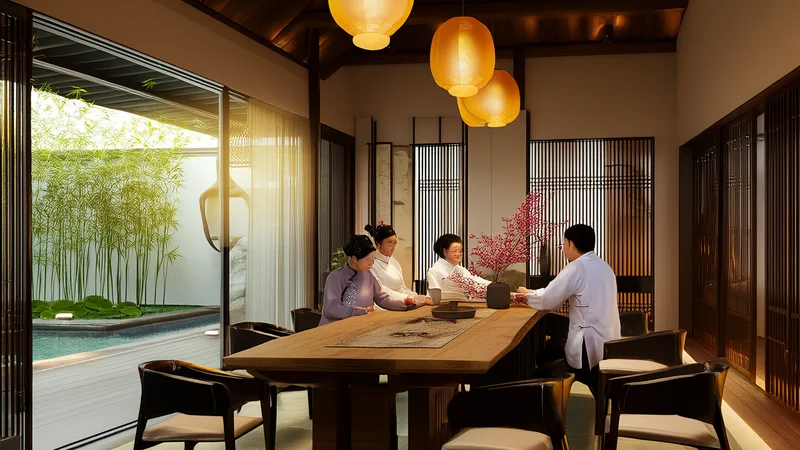
The Dining Table as the Heart of Family Energy
In Feng Shui, the dining room is more than just a place to eat—it is the energetic anchor of the home where family bonds are nourished and daily connections are made. The dining table, in particular, acts as a symbolic centerpiece for family gathering, representing unity, abundance, and shared life. When the shape, size, and placement of your dining table are aligned with good Feng Shui principles, they can create a supportive environment that encourages open communication and mutual respect. On the other hand, a poorly chosen table or awkward layout can subtly disrupt the flow of chi (life energy), leading to arguments or a sense of disconnection during mealtimes.
This guide will walk you through the essentials of dining table Feng Shui, focusing on how to make intentional choices that bring harmony to your household. Whether you are choosing a new table or optimizing an existing one, the key is to balance aesthetics with energetic flow. The goal is not perfection, but a space where every family member feels welcomed, comfortable, and emotionally supported.
The Best Dining Table Shape for Harmony
Your dining table shape is one of the most significant factors in determining the energy shared during meals. In Feng Shui, shapes carry distinct symbolic meanings, and the right choice depends on the mood you wish to cultivate. Let’s explore the two most common options: round and rectangular.
Round vs rectangular is a classic debate in dining room design. A round table is often praised in Feng Shui for its ability to create equality and flow. Because there are no sharp corners or hierarchical head positions, a round table naturally encourages everyone to feel on equal footing. This shape promotes yin energy—calm, inclusive, and conversational. It is especially beneficial for families with children or for those who host lively dinners, as it allows everyone to make eye contact and participate in group discussions without physical barriers.
Rectangular tables, on the other hand, bring a more structured and formal energy. They are excellent for larger gatherings and can anchor a spacious dining room. However, the sharp corners can create “poison arrows” or sha chi that point at seated individuals, potentially causing tension. To mitigate this, place the table so the corners are not directly aligned with any chair. Also, consider the seating arrangement: with a rectangular table, the ends become positions of authority. If you want to reduce hierarchy, avoid assigning one permanent seat for the head of the household. Instead, let family members rotate, or use bench seating to soften the edges.
Here is a quick comparison to help you decide:
- Round tables – best for small families, promoting intimate conversation and equal energy flow.
- Rectangular tables – good for large families or frequent entertaining, but avoid sharp corners facing seating areas.
- Oval tables – a harmonious compromise; they combine the flow of a round table with the capacity of a rectangular one.
- Square tables – work well for a household of four, creating a stable, balanced energy, but can feel too constrictive for larger groups.
“The dining table is a mirror of how we relate to those we love. A round shape invites connection; a rectangle invites order. Choose the one that reflects the energy your family most needs to cultivate.”
Size and Number of Seats: Balancing Space and Connection
The number of seats at your dining table influences the intimate feeling of a meal and the practical flow of the room. In Feng Shui, an odd number of seats can create a dynamic but unsettled energy, while an even number provides a sense of balance and partnership. However, the most important rule is that every family member should have a comfortable, designated place. When a table is too small, people feel cramped; when it is too large, it can create a sense of distance and loneliness.
Ideally, your dining table should have enough seats for every regular household member, plus one or two extra for guests. But avoid overcrowding the table. The universal rule is to leave at least 60 centimeters (about 24 inches) of table edge per person. This ensures that everyone can eat and converse without bumping elbows, while still feeling close enough for connection. Overloading the table with chairs can cause a feeling of suffocation, which is counterproductive to healthy family gathering.
Size also matters relative to the room’s dimensions. A table that fills the entire dining space leaves no room for chi to circulate freely. That stagnant energy can make conversations feel heavy or dull. On the other hand, a tiny table floating in a huge room can feel isolating. A good rule of thumb is to leave at least 90 centimeters of empty space on each side of the table, allowing for easy movement and a gentle flow of air. If your dining room is narrow, avoid bulky pedestal tables; instead, choose a table with slim legs to maximize visual and physical space.
When considering the size, also factor in the material and color. Lighter finishes and organic materials like wood bring warmth, while dark or high-gloss surfaces can reflect too much energy or feel heavy. The table should feel like a welcoming anchor, not a dominant obstacle.
Structural Concerns: Beams and Mirrors
Beyond shape and size, the surrounding architecture of your dining room greatly impacts the energy at the table. Two of the most common issues are a beam above dining table and the use of a mirror in dining room. Both can either enhance or disrupt the flow of chi, depending on how they are handled.
Beam Above Dining Table? Fix It
A visible structural beam directly above the dining table is often considered one of the most problematic Feng Shui conditions. The beam creates downward pressure known as pressing energy (or suppressive chi), which can make people feel subconsciously stressed, oppressed, or anxious during meals. Over time, this can lead to digestive issues, frequent arguments, or a feeling that family members are “carrying a weight” on their shoulders.
If you have a beam above your dining table, the best solution is to relocate the table so it is no longer underneath. However, if that is not possible due to room layout, there are several effective remedies:
- Soften the beam with a hanging plant or a silk vine that drapes gently downward. This breaks the straight, oppressive line and introduces living, upward energy.
- Use the Five Elements – hang two bamboo flutes at a downward angle on the beam, or attach a pair of faceted crystal balls on either side of the beam. Crystals scatter the downward chi, while flutes symbolize peace and elevation.
- Paint the beam the same color as the ceiling to make it visually recede. Avoid dark or contrasting colors, which make the beam more pronounced.
- Create an energetic separation by placing a tall screen, shelf, or fabric canopy between the beam and the table. This physically and visually blocks the pressure.
“In Feng Shui, a beam over your dining table is like an unspoken worry hanging over the meal. By softening its energy, you invite lightness and ease back into the space.”
Using Mirrors to Expand Energy
A mirror in dining room is a double-edged sword in Feng Shui. When placed correctly, a mirror can beautifully transform the energy of a meal. In traditional practice, mirrors act as water—they reflect, expand, and redirect chi. Placing a mirror to reflect the dining table is said to double the abundance and opportunity for the household. It visually expands the space, making a small dining area feel more open and inclusive. Additionally, if the mirror reflects a beautiful view, a family photo, or the smiling faces of those at the table, it amplifies that joyful energy.
The most powerful placement is on a side wall, facing the dining table but not directly reflecting seated people in a way that feels intrusive. You want the mirror to reflect the food and the setting, not to create a mirrored imitation that distracts or causes self-consciousness. A mirror that directly faces the table can also create a sense of too much liveliness, which may lead to restlessness for some individuals. If that happens, angle the mirror slightly upward or toward a beautiful piece of art instead.
Another useful trick is to place a mirror so it reflects the food on the table. This is especially encouraged in Feng Shui, as it symbolizes that the family will never lack nourishment. However, avoid placing a mirror behind someone’s back where it might startle them or reflect the doorway. The key is to use the mirror to enhance the family gathering, not to disrupt it. If you have a dining room that feels closed off or narrow, a well-placed mirror can open the space and add a layer of brightness and positivity to shared meals.
Bringing It All Together for Family Energy
When you thoughtfully address the shape, size, seating capacity, and structural elements of your dining area, you create more than just a visually pleasant room—you create a sanctuary where connection can thrive. The dining table is where children share their school stories, parents talk about their day, and guests are welcomed into your home’s energetic bosom. By applying these Feng Shui principles, you honor the deeper purpose of the space: to feed both body and soul.
Remember that the best dining table is not necessarily the most expensive or the most modern—it is the one that allows your family to sit comfortably, look at each other easily, and feel at peace. Start with the basics: choose a dining table shape that matches your family’s style, ensure the number of seats is generous yet intimate, and correct any architectural issues like a beam above dining table or a misused mirror in dining room. When these elements align, your dining table will become a powerful anchor of health, happiness, and unity in your home. Let every meal be a small ritual of togetherness, and let your table be the stage for a lifetime of shared moments.