Feng Shui Directions: Lucky & Unlucky Directions Explained
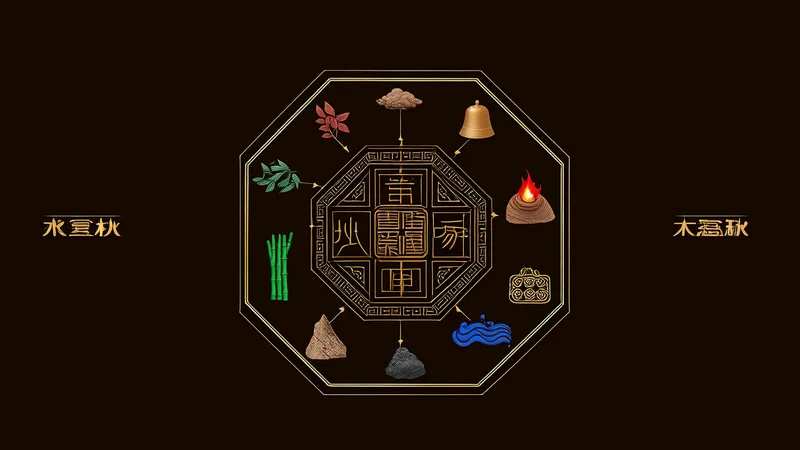
In classical Feng Shui, the eight directions are not just compass points—they are carriers of distinct energies that can either support or disrupt your life. While most people are familiar with the general principles of Feng Shui, such as decluttering or using mirrors, the deeper practice involves understanding your kua number directions. This ancient system, known as the Eight Mansions or Ba Zhai, maps your personal energy blueprint onto the eight compass directions. By aligning your activities, sleep, and work to your lucky direction, you can invite harmony, health, and prosperity. Conversely, avoiding your unlucky directions prevents unnecessary obstacles and misfortune.
Your kua number is calculated from your birth year and gender. It places you into either the East Group or the West Group, each with its own set of favorable and unfavorable directions. The eight directions are North, Northeast, East, Southeast, South, Southwest, West, and Northwest. For each person, these eight directions fall into four auspicious categories and four inauspicious ones. Understanding this system is the first step toward mastering your environment.
The Four Lucky Directions: Sheng Qi, Fu Wei, Tian Yi, Yan Nian
The first and most powerful of your lucky direction categories is Sheng Qi, which translates to "growing vitality" or "life force." This direction brings good fortune, material wealth, and career success. It is often called the "primary lucky direction" because it is the strongest source of positive energy. When you sit facing your Sheng Qi direction at your desk or study, you enhance your creativity, leadership, and ability to attract financial opportunities. In many homes, the front door ideally opens toward this direction for the head of the household.
The second lucky area is Fu Wei, meaning "stability" or "harmony." Fu Wei is your personal direction of inner peace and balanced relationships. It is excellent for meditation, rest, and building long-term security. Sleeping with your head pointing toward your Fu Wei direction promotes restful sleep and mental clarity. For students, facing Fu Wei while studying strengthens memory and focus. For couples, this direction supports a calm, nurturing home life.
Next is Tian Yi, the direction of "heavenly doctor" or health. Tian Yi brings protection from illness and supports healing. It is particularly helpful for anyone undergoing medical treatment or recovering from exhaustion. Placing your bed or a favorite reading chair in your Tian Yi direction can enhance your physical vitality. Additionally, this direction is associated with helpful people—those who appear just when you need them, such as mentors, sponsors, or unexpected allies.
The fourth lucky direction is Yan Nian, which translates to "longevity" or "harmonious marriage." Yan Nian strengthens love, romance, and family bonds. Couples who sleep with their heads toward their personal Yan Nian direction often report improved communication and deeper intimacy. For single people, activating this direction (through decor or placement of crystals) can attract a suitable partner. Yan Nian also supports good relations with children and extended family members.
To put these into practice, write down your four lucky directions and use them strategically. For example, if your personal direction for Sheng Qi is Southeast, ensure your desk faces Southeast. If your Yan Nian direction is West, place your bed so your head points West. Even small changes, like eating your meals facing your Tian Yi direction, can gradually shift your energy.
"In Feng Shui, aligning your daily activities with your personal positive directions is like sailing with the wind instead of against it. Small adjustments yield profound changes over time."
The Four Unlucky Directions: Six Sha, Wu Gui, Jue Ming and More
Just as every person has four lucky directions, there are also four unlucky directions that should be avoided whenever possible. These negative energies can accumulate when we unknowingly face them during important activities like working, sleeping, or making decisions. The four inauspicious directions are Six Sha, Wu Gui, Jue Ming, and Ho Hai (the lesser evil). Among these, the first three are the most harmful, and understanding them is crucial for a balanced Feng Shui practice.
Six Sha translates to “six harms” or “six afflictions,” language that reflects the cautionary tone of classical cosmology. Traditional readers used it to prompt attention to conflict, disorder, and stress. Treat the label as symbolic; improve lighting, privacy, and sleep comfort before considering any decorative remedy.
Wu Gui means “five ghosts” or “five spirits,” a vivid traditional name for themes of uncertainty, gossip, and mistrust. It does not cause fraud or broken promises. If a doorway or workstation feels exposed, use ordinary measures—clear sightlines, privacy, and good communication—while treating the old label as cultural context.
The most dramatic label is Jue Ming, translated as “broken life” or “total loss.” These words belong to a traditional classification system, not a diagnosis or forecast of illness, bankruptcy, or accidents. If a room falls in this sector, prioritize safe exits, comfortable furniture, quiet sleep, and sensible household planning; symbolic plants or lamps are optional décor.
The fourth unlucky direction, Ho Hai, is less damaging than the other three. Ho Hai means "accidents" or "obstacles" and creates minor annoyances, delays, and small losses. While not dangerous, it can still sap your motivation. For example, sleeping with your head toward Ho Hai might make you wake up groggy or feel inexplicably lazy. Facing it while eating can lead to indigestion or arguments over trivial matters. It is best to simply avoid Ho Hai for your main activities and reserve it for storage rooms or closets.
To find out which of the eight directions correspond to Six Sha, Wu Gui, Jue Ming, Ho Hai, and your lucky directions, you must first know your kua number. The calculation is simple: add the last two digits of your birth year, reduce to a single digit, then subtract from 10 for males (or add 5 for females, then reduce). The resulting number from 1 to 9 (with an exception for 5, which acquires different directions depending on gender) maps to a specific set of four lucky and four unlucky directions. For example, a female born in 1990 has a kua number of 2, making her West Group, with her Sheng Qi direction to the Northeast and her Jue Ming direction to the West.
Once you have your personal direction chart, you can immediately begin applying it. Start with the room where you spend the most time. Adjust your desk so you face your Sheng Qi or Fu Wei direction, and reposition your bed so your head points toward Tian Yi or Yan Nian. For your main door, ensure it swings inward from a lucky direction if possible. Remember that the eight directions are fixed physical compass bearings—not just relative to the room—so use a good compass app to measure accurately.
In summary, the practice of aligning with your lucky direction and avoiding your unlucky directions is a powerful, practical tool. It is not about superstition; it is about tuning your residence to your personal energetic fingerprint. Whether you are seeking wealth through Sheng Qi, health through Tian Yi, love through Yan Nian, or stability through Fu Wei, the directions provide a clear map. Equally, respecting the destructive forces of Six Sha, Wu Gui, and Jue Ming protects you from hidden obstacles. By integrating these principles into your daily environment, you take active command of your destiny.